Essential Tips for Washing Colorbond Roofs in Byron Bay
Colorbond steel roofing is one of the most popular choices across the Byron Shire, valued for its durability, wide colour range and strong performance in Australian conditions. Byron Bay's coastal climate is also tough on roofs. Salt-laden sea air, high humidity, frequent rain, pollen, and overhanging tropical vegetation all contribute to dirt, mould, lichen and corrosion-promoting deposits. Washing your Colorbond roof correctly protects its finish, supports your warranty and keeps your home looking its best.
Why Roof Washing Matters in a Coastal Environment
Colorbond steel has a zinc/aluminium alloy coating with a pre-painted finish designed to resist weathering. However, salt deposits from the ocean can accumulate in areas that rain does not reach, such as under eaves, behind gutters and beneath overhangs. When salt remains on the surface, it can accelerate coating breakdown and corrosion over time.
Colorbond's own maintenance guidance recommends regular cleaning, particularly in coastal and sheltered areas. In marine environments, sheltered sections of the roof should generally be washed more often than areas that are regularly rinsed by rain. Following the manufacturer's care recommendations is also important to keep warranty conditions intact, so it is worth checking the current guidelines that apply to your roofing product.
How Often Should You Wash a Colorbond Roof in Byron Bay?
For properties close to the beach, along the Cape Byron coastline, or near the Brunswick River and other waterways, a thorough wash at least every six to twelve months is a sensible schedule. Homes further inland in the hinterland, such as around Bangalow or Mullumbimby, may stretch this a little, but heavy tree cover and humidity can still lead to mould and algae growth.
Consider washing more often if you notice:

- A white, chalky or powdery residue on sheltered sections of the roof
- Green, black or orange patches of algae, mould or lichen
- Leaf litter, pollen or debris building up in valleys and gutters
- Dull colour or streaking after heavy rain periods
- Sticky residue from sap or bird droppings
Safety First: Before You Start
Roof work is one of the leading causes of serious falls at home, and Colorbond sheeting becomes extremely slippery when wet, especially with algae or soap on the surface. Safety should always come before cleaning results.
Key Safety Considerations
Never work on a wet roof, and avoid cleaning on windy or hot days when the metal surface can become dangerously hot. Use a properly secured ladder, wear non-slip footwear, and consider fall-protection equipment such as a harness and roof anchor system. For double-storey homes or steep pitches, engaging a licensed professional with the correct safety equipment is strongly recommended. Also check for overhead power lines near the roof edge and keep ladders and tools well clear of them.
Step-by-Step Method for Washing Colorbond Roofs
A gentle approach is best for painted steel. The following process is consistent with general manufacturer guidance:
- Clear debris: Remove leaves, twigs and loose dirt by hand or with a soft broom. Clean out gutters and downpipes so runoff flows freely.
- Pre-rinse the roof: Use a garden hose to wet the surface and remove loose dirt and salt, working from the ridge down toward the gutters.
- Apply a mild cleaning solution: Mix a mild, non-abrasive household detergent with fresh water. Apply with a soft-bristle brush or soft cloth mop, working in sections.
- Treat mould and algae carefully: For stubborn growth, use a cleaning product specifically formulated for pre-painted metal roofing, and follow the label directions exactly.
- Rinse thoroughly: Rinse with clean water from the top down, ensuring no detergent residue remains, particularly in laps, valleys and behind gutters.
- Inspect the roof: Check for loose fasteners, damaged flashings, scratches, rust spots or sealant failure while the surface is clean.
What to Avoid When Cleaning Colorbond
Using the wrong products or equipment is one of the most common ways roofs are damaged during cleaning. Avoid the following:
Harsh Chemicals and Abrasives
Do not use strong solvents, abrasive powders, steel wool, or stiff wire brushes. These can scratch the paint finish and expose the metal beneath. Cleaners with high alkalinity or strong acids should also be avoided unless they are explicitly approved for pre-painted steel.
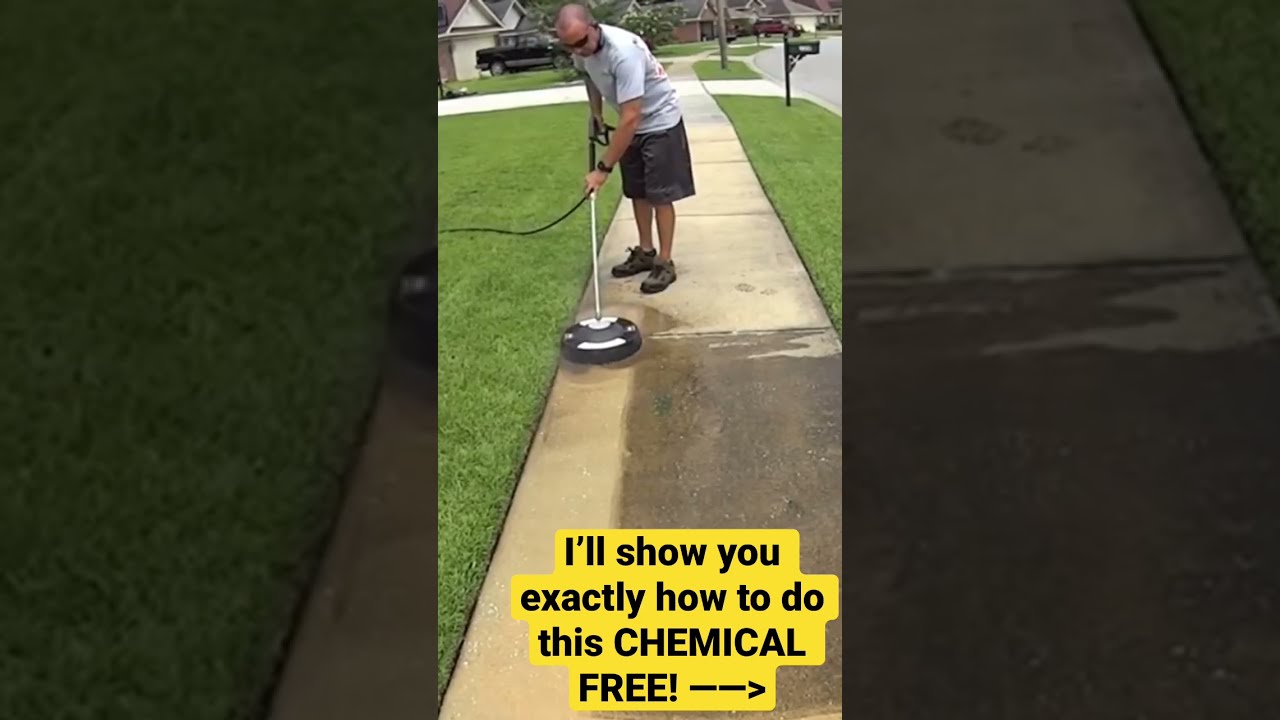
High-Pressure Washing
High-pressure water can strip or damage the paint layer, force water under flashings and sheet laps, and dislodge sealants. If a pressure washer is used by a professional, it should be set to low pressure with an appropriate nozzle and used at a suitable distance. Many roofing specialists prefer a soft wash method, which uses low pressure and appropriate detergents to lift contaminants safely.
Bleach in Uncontrolled Amounts
Strong chlorine bleach can harm gutters, surrounding plants and the roof coating if used incorrectly. It can also run off into gardens and stormwater. If a biocide treatment is needed for mould, choose a product suited to metal roofing and apply it according to the manufacturer's instructions.
Protecting the Byron Bay Environment
Byron Bay is surrounded by sensitive waterways, wetlands, marine parks and coastal ecosystems. Wash water from roofs flows through gutters and downpipes, often straight into the stormwater system and eventually into local creeks and the ocean. Only rinse with plain water where possible, choose biodegradable and phosphate-free cleaners, and avoid letting chemical runoff pool in gardens or drains. If your property is on tank water, disconnect the downpipe or tank inlet before washing so that detergents and debris do not contaminate your drinking supply, and flush the first runoff after cleaning.
Local council guidelines on stormwater discharge and rainwater tanks can change, so it is a good idea to check current requirements with Byron Shire Council before undertaking large cleaning projects, particularly for commercial or multi-dwelling properties.
Gutters, Fixings and Surrounding Areas
A roof wash is https://jeffreyaapf891.lumenforgex.com/posts/pressure-cleaning-metal-sheds-and-colorbond-garages-fast the ideal time to look at the entire roofing system. Blocked gutters can hold moisture against the steel, speeding up corrosion at the edges. Trim back overhanging branches to reduce shading, leaf drop and the damp conditions that encourage mould. Check that:
- Screws and fasteners are secure and washers are not perished
- Flashings around chimneys, skylights and vents remain sealed
- Sheet edges and cut ends show no signs of rust
- Dissimilar metals, such as copper fittings, are not draining onto the Colorbond, as this can cause corrosion
When to Call a Professional Roof Washing Service
While light maintenance can be a manageable DIY task for single-storey homes, there are many situations where professional help is the better choice. Steep roofs, two-storey homes, heavy mould or lichen coverage, and roofs with fragile skylights or solar panels all raise the risk of injury or damage. Professional roof cleaners have the safety equipment, insurance, water management systems and product knowledge to clean thoroughly without harming the finish.
When choosing a provider in Byron Bay, look for a business that:
- Holds appropriate public liability insurance
- Uses low-pressure or soft wash techniques suited to Colorbond
- Follows safe work practices for working at heights
- Uses environmentally responsible products and manages runoff
- Can explain their process and provide a clear written quote
Long-Term Roof Care Tips
Consistent maintenance is more effective than occasional heavy cleaning. Schedule seasonal inspections, especially after storms and the heavy rain periods common in northern NSW. Keep gutters clear, manage nearby vegetation, and address minor scratches or rust spots early with touch-up products recommended for Colorbond. Keeping simple records of cleaning dates and any repairs can also help if you ever need to make a warranty or insurance claim.
Final Thoughts
Washing a Colorbond roof in Byron Bay is about more than appearance. Regular, gentle cleaning removes salt and contaminants that can shorten the life of your roof, protects the paint finish and helps your home handle the area's demanding coastal conditions. Use mild detergents, soft tools and plenty of fresh water, avoid high pressure and harsh chemicals, put safety first, and consider professional help when the job is risky or complex. With a sensible routine in 2026 and beyond into 2027, your Colorbond roof can continue to perform well for decades.
Byron Bay Pressure Cleaning Pros
0440 133 038